
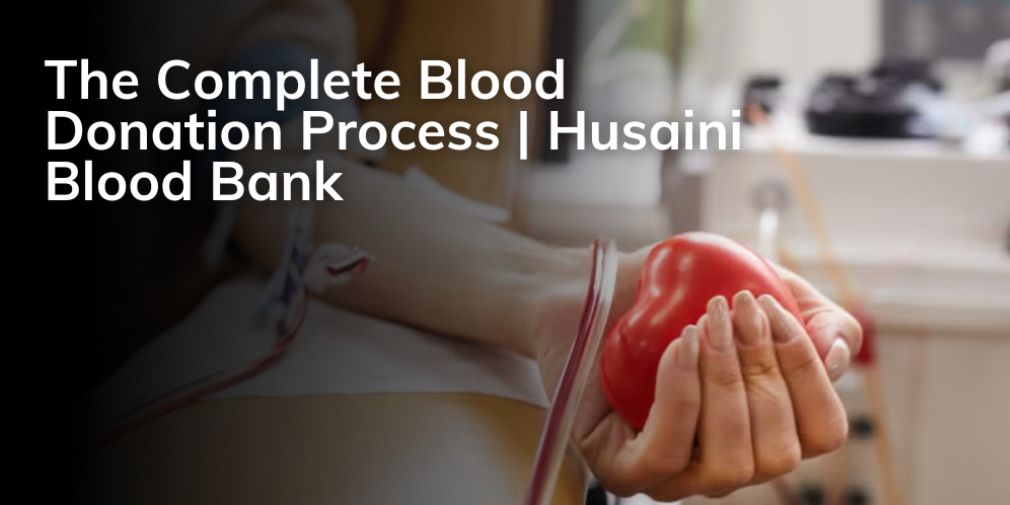
The Complete Blood Donation Process Husaini Blood Bank
Blood donation saves lives every day by supporting emergency care, surgeries, cancer treatment, thalassemia management, and critical medical procedures. A clear understanding of the blood donation process helps donors feel confident, prepared, and informed before they visit a blood bank. From registration to recovery, every step follows strict medical standards that protect both the donor and the recipient while ensuring safe collection and storage.
Eligibility Requirements Before Donation
Medical staff reviews several factors before allowing someone to donate blood. These requirements help maintain donor safety and blood quality.
A donor usually needs to:
- Meet the minimum age requirement
- Maintain an appropriate body weight
- Have stable BP and pulse
- Show healthy hemoglobin levels
- Remain free from active infections or illness
- Avoid risky medical or travel history that may affect safety.
Registration and Medical History Review
The first step in the blood donation process begins with registration. Staff members collect basic identification details and create a donor record for medical tracking and safety compliance.
After registration, trained healthcare personnel review the donor’s medical history through a confidential questionnaire. The donor answers questions related to:
- Current medications
- Previous surgeries
- Allergies
- Recent illnesses
- Vaccination history
- Lifestyle risk factors
- Travel history
These questions help specialists determine whether the donor can safely proceed with donation.
Vital Signs and Pre-Donation Assessment
Before collection begins, healthcare professionals conduct a physical assessment. This stage includes measuring temperature, pulse rate, BP, and haemoglobin levels.
The screening test before blood donation plays a critical role in protecting both donors and recipients. Medical staff evaluate overall health status and identify conditions that may temporarily or permanently restrict donation. Haemoglobin testing ensures that the donor maintains adequate iron levels and can safely tolerate donation.
Preparing for Safe Blood Donation
Safe donation experience and reduces the risk of dizziness or weakness afterward.
Donors should follow these important precautions:
- Drink extra water before the appointment
- Eat iron-rich foods before donation day
- Avoid donating on an empty stomach
- Wear comfortable clothing with sleeves that roll easily
- Avoid smoking or strenuous exercise immediately before donation
- Inform staff about any discomfort during the procedure
These simple preparations help maintain stable circulation and improve recovery after donation.
The Blood Collection Procedure
The actual collection procedure takes place in a sterile and closely monitored environment. Healthcare professionals use single-use disposable needles and bags to maintain strict infection control standards.
The donor sits or reclines comfortably while the staff cleans the arm thoroughly with an antiseptic solution. A trained phlebotomist inserts a sterile needle into a vein, usually in the arm, and connects it to a collection bag.
The collection process usually takes around 8 to 15 minutes, depending on flow and donor condition. Throughout the session, staff monitor the donor carefully and provide guidance to maintain comfort.
Many first-time donors worry about pain, but most people only feel a brief pinching sensation during needle insertion.
How Much Blood Gets Collected?
A primary concern for prospective donors is the volume of blood collected and the subsequent recovery timeline. A standard whole blood donation draws approximately 450 milliliters (one pint), representing a minor portion of a healthy adult’s total blood volume. The body initiates recovery immediately, replenishing lost plasma within 24 to 48 hours, while RBC counts typically normalize over several weeks. Donors can accelerate this process through proper hydration and iron-rich nutrition. Ultimately, strict medical guidelines ensure that collection volumes never jeopardize donor health or circulatory function.
Common Myths About Blood Donation
Several misconceptions discourage people from donating despite strong medical evidence supporting donor safety.
Myth: Blood donation causes long-term weakness
Healthy individuals recover naturally after donation through proper nutrition and hydration.
Myth: Donating blood increases infection risk
Sterile single-use equipment eliminates the risk of infection during donation.
Myth: Older adults cannot donate
Many healthy adults continue donating safely after medical evaluation and approval.
Myth: Donation requires a long recovery period
Most donors return to routine activities within a short time after resting and hydrating properly.
Why Blood Donation Matters
Hospitals require a constant supply for trauma cases, surgical procedures, maternity emergencies, anemia treatment, and blood disorders. Since blood cannot undergo artificial manufacturing, voluntary donors remain the only reliable source.
One unit of donated blood can support multiple patients because laboratories separate it into components such as RBCs, plasma, and platelets. Regular donations strengthen healthcare systems and improve emergency preparedness during accidents, natural disasters, and medical crises.
Final Thoughts
A well-structured blood donation process protects donor health while ensuring patients receive safe and reliable transfusions. Every stage, from registration and the screening test before the procedure to recovery and laboratory testing, follows strict medical standards designed to maintain safety, efficiency, and quality care.
People who understand how to donate blood safely often feel more confident about becoming regular donors. With proper preparation, professional supervision, and responsible post-donation care, this process remains one of the most meaningful ways to support healthcare systems and save lives.
FAQs
Q: How long does the complete blood donation process take?
A: The full visit usually takes 30 to 60 minutes, including registration, screening, collection, and recovery.
Q: Can someone donate blood while fasting?
A: Healthcare professionals generally recommend eating a healthy meal and drinking fluids before donation to maintain stable energy levels.
Q: How often can someone donate whole blood?
A: Most healthy adults can donate whole blood every 3 to 4 months, depending on medical guidelines and recovery.
Q: Does the process hurt?
A: Most donors only feel mild discomfort during needle insertion, while the collection process itself remains relatively painless.