
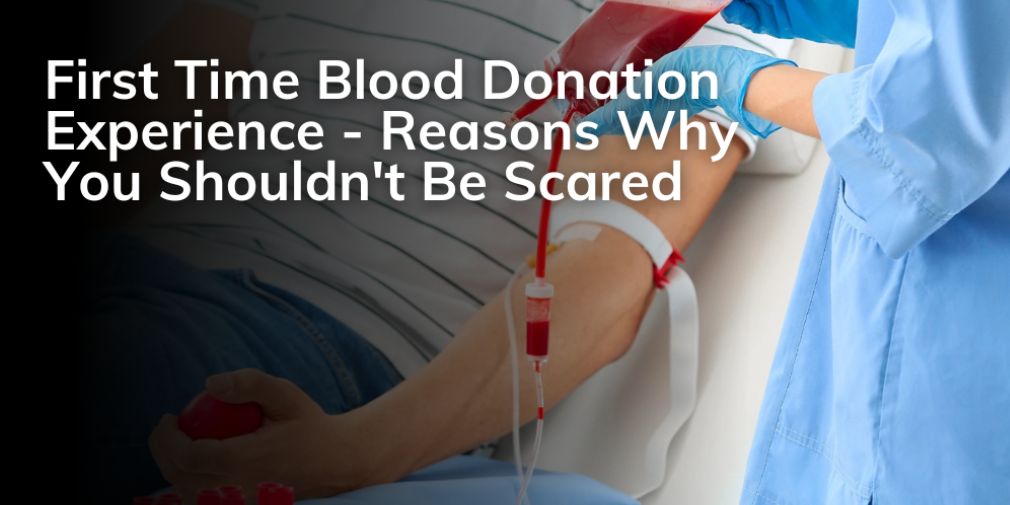
First Time Blood Donation Experience – Reasons Why You Shouldn’t Be Scared
Walking into a blood donation center for the first time can feel intimidating. Many people worry about pain, weakness, needles, or possible health risks, yet most donors leave with relief, confidence, and pride after completing their first time blood donation experience. Blood donation remains one of the safest medical procedures when trained professionals follow proper screening and collection protocols. A single donation can support accident victims, surgical patients, individuals with blood disorders, and people undergoing emergency treatment.
Why First Time Donors Feel So Nervous
The fear surrounding first time donating blood often has less to do with pain and more to do with vulnerability. Blood donation places you in a medical setting where you temporarily give up control and trust someone else with your physical comfort. For many people, that alone creates anxiety.
Some donors worry about seeing blood. Others fear embarrassment if they feel dizzy. Many quietly wonder whether they are mentally strong enough to go through with it.
What surprises most first time donors is how normal the experience feels once it begins. Staff members talk casually, explain each step clearly, and watch donors closely throughout the process. Donation centers handle nervous donors every single day. They know how to recognize anxiety before donors even say anything.
What Actually Happens During Blood Donation
A realistic understanding of the process removes a huge amount of fear for first time donors.
The Screening Stage Feels More Like a Health Check
Before donation begins, staff members perform a quick medical screening. They check your pulse, blood pressure, temperature, weight, and hemoglobin level. They also ask questions about recent illnesses, medications, travel history, and general health. This stage exists to protect donors as much as recipients.
People often assume blood banks accept everyone immediately, but professionals reject or postpone donations regularly if someone does not meet the medical criteria. That strict screening process ensures that this procedure remains extremely safe for healthy individuals.
The Needle Looks Worse Than It Feels
The anticipation before needle insertion usually feels more uncomfortable than the needle itself. Most donors describe the sensation as a quick, sharp pinch that fades within seconds. Once the needle sits properly in the vein, many donors continue normal conversation, scroll through their phones, or simply relax.
The body does not suddenly feel empty or weak during donation. Blood flows gradually into the collection bag while the body continues functioning normally. Some donors even feel surprised by how calm the environment becomes once the process starts.
The Fear of Fainting and Why It Happens
One of the biggest concerns during a first time donation involves fainting. The fear makes sense, but most people who faint during donation do not faint because they lost “too much blood”; it’s often just anxiety.
When people panic, the nervous system can temporarily lower heart rate and blood pressure, causing dizziness, sweating, nausea, or blurred vision. This reaction is called a vasovagal response, and it can happen during injections, blood tests, or even emotional stress.
The important thing to understand is that staff members prepare for this possibility constantly.
If someone feels dizzy:
- The chair reclines immedately
- Staff elevate the legs
- Fluids and cold compresses help stabilize the body
- Recovery usually happens within minutes
Most donors recover quickly and continue normally afterward.
The Emotional Shift After Your First Donation
A meaningful first time blood donation experience changes people emotionally in ways they rarely expect.
Before donation, fear dominates the mind, but after donation, most people feel relief mixed with accomplishment. The experience replaces imagination with reality, and reality usually feels far less frightening.
Many first time donors also experience a stronger emotional connection to the purpose behind the procedure once they physically see the collection bag filling beside them. For the first time, the idea of “saving lives” stops feeling abstract. That realization often changes how people view community responsibility, emergency healthcare, and volunteerism altogether.
What Your Body Experiences After Donation
People often expect weakness afterward because they imagine the body struggling to recover. In reality, the human body adapts remarkably well. The plasma portion begins restoring quickly, while RBC replacement happens gradually over the following weeks.
Healthy donors generally continue normal daily activities without difficulty. Understanding what to do after helps donors avoid unnecessary discomfort and feel more confident during recovery.
What Actually Helps Recovery
Instead of generic advice, donors should focus on practical recovery habits that genuinely matter:
- Eat balanced meals before and after
- Avoid donating while sleep deprived
- Skip intense physical training for the day
- Pay attention to dizziness rather than ignoring it
- Keep the bandage on for several hours
- Avoid standing up too quickly immediately afterward
Many first time donors make the mistake of overworking their bodies after they leave the center. The body usually handles donation well, but allowing proper rest improves the overall recovery significantly.
Tips That Truly Help First Time Donors
The best tips for first time blood donors focus less on “being brave” and more on preparing intelligently.
Be Honest During Screening
Never hide health information to qualify for donation. Screening questions exist to protect both donor and patient safety.
Tell Staff If You Feel Nervous
Donation staff respond far better when they know someone feels anxious. They can guide breathing, distract conversation, or adjust positioning accordingly.
Do Not Watch the Needle if It Makes You Uncomfortable
Some people feel perfectly fine watching the procedure, while others become dizzy instantly. Avoid directly looking at the needle or blood if it makes you uncomfortable.
Understand That Anxiety Is Extremely Common
Feeling nervous before donation does not mean you are weak. Even highly confident people experience anxiety in medical environments.
Focus on the Purpose
The strongest motivation during a difficult moment often comes from remembering the purpose behind the whole process. One donation can support surgeries, trauma patients, cancer treatment, childbirth emergencies, and people living with genetic disorders.
FAQs
Q: Does blood donation hurt the entire time?
A: No. Most donors only feel discomfort during the initial needle insertion, which lasts a few seconds. Afterward, the process usually feels surprisingly comfortable.
Q: Can nervous people still donate blood safely?
A: Yes. Anxiety before donation is extremely common. The staff regularly assist nervous donors and know how to manage anxiety related symptoms safely.
Q: How long does recovery usually take?
A: Most healthy donors feel normal within a few hours. Mild fatigue can occur temporarily, especially if someone skipped meals or slept poorly beforehand.
Q: Is it normal to feel emotional after donating blood?
A: Yes. Some donors feel unexpectedly emotional or proud after donating because they connect strongly with the purpose behind the experience.