
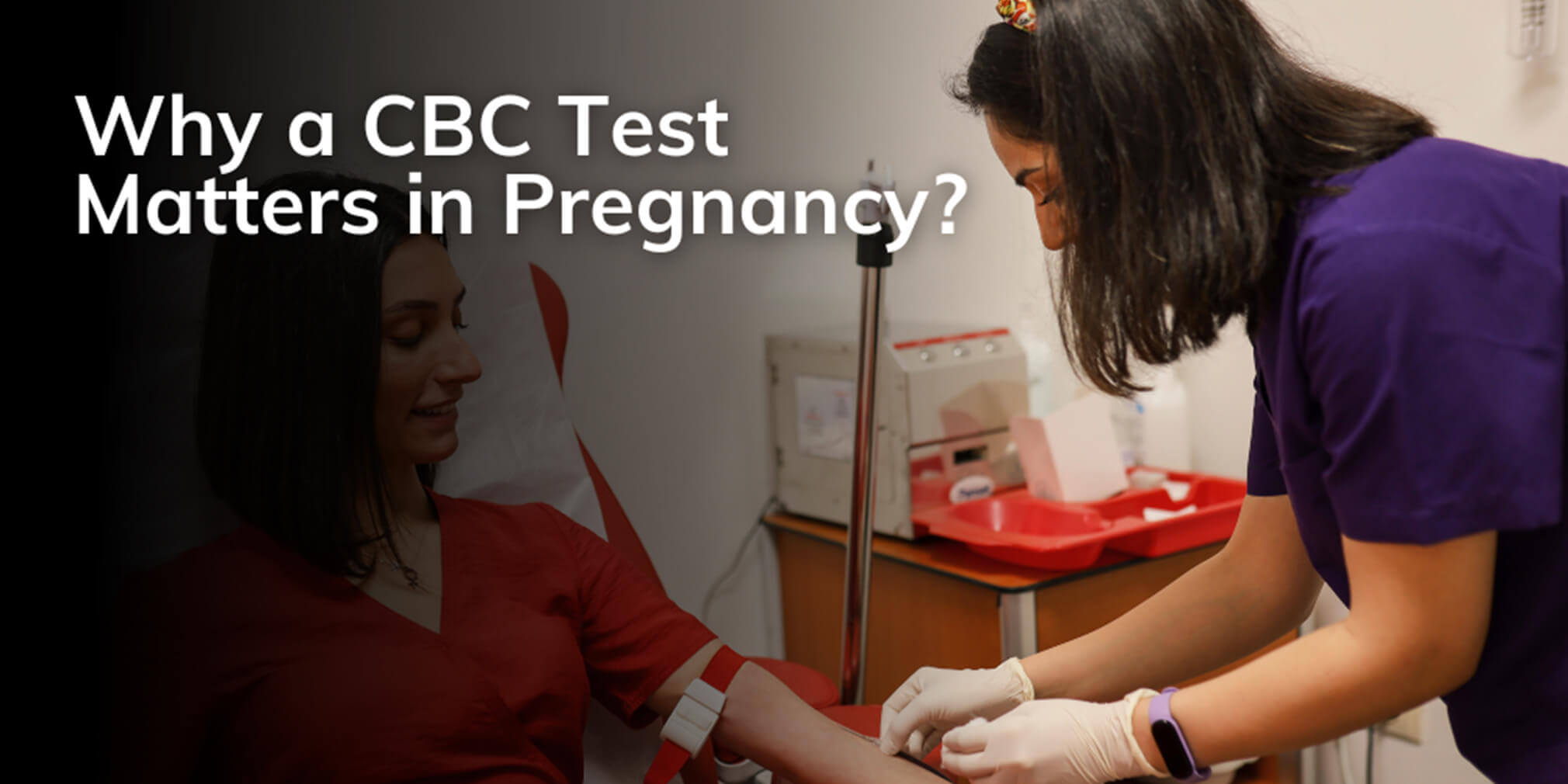
Why a CBC Test Matters in Pregnancy?
Navigating pregnancy comes with questions and regular medical checkups. One of the most fundamental ones women encounter is the Complete Blood Count (CBC) test. It might seem like another way of drawing blood, but the test is a robust tool offering healthcare providers an overview of a pregnant woman’s overall health and the fetus’s well-being.
The CBC test is an essential diagnostic measure (it is not just a formality). The test provides a detailed image of the cells present in the blood. It reveals crucial information about all components of the human blood.
The CBC test pregnancy is a simple blood test that identifies potential health risks early on. This enables timely intervention to ensure a healthier pregnancy for both the woman and her baby.
Understanding the Basics of CBC Testing
A complete blood count is more or less what its name says. It is a blood test that focuses on measuring key components of blood, especially:
- Red blood cells
- White blood cells
- Hemoglobin
- Platelets
These components are made of special proteins that transport oxygen to the body’s tissues. The same test also measures hematocrit. It is a value showing the ratio (or percentage) of red blood cells in relation to the blood’s volume.
The CBC test pregnancy uses a small sample of the patient’s blood. It is often drawn from a vessel in the arm. This sample is then evaluated carefully in a laboratory. Then both the patient and their physician receive the results as a series of numbers or values.
These values can help identify potential health issues, such as anemia, infections, leukemia, or other concerns that may require additional testing. The CBC test’s results can be used to monitor the effectiveness of specific medical treatments. These tests are conducted as part of a routine physical exam and are also used during pregnancy.
Why do I need a Complete Blood Count?
Pregnant women may need a CBC test pregnancy during the early months. Alternatively, they can go for first-trimester blood tests to get a comprehensive outlook on their health. The test is then repeated in 24-28 weeks or during the second trimester to monitor changes in blood components.
Doctors can ask for a CBC test before the delivery to check the CBC parameters, i.e., hemoglobin levels and platelet counts, to avoid complications during delivery.
But why is the test important during pregnancy? Monitoring a pregnant woman’s health during this stage is essential. It helps determine the growth and well-being of both the fetus and the mother. Let us now briefly examine the reasons why a CBC is necessary:
- Iron levels are most likely to be low during pregnancy. Hence, having pregnancy anemia blood tests becomes necessary
- The CBC test pregnancy offers essential information about changes in the blood’s components. It helps detect potential health issues, plus any abnormalities in the fetus
- This test also measures critical elements, including hematocrit levels, platelet count, hemoglobin, red blood cells, and white blood cells. They play a crucial role in a healthy pregnancy
- It is also possible to identify specific health conditions, like anemia, bleeding disorders, and infections
- Monitoring the blood components via CBC tests helps healthcare providers offer proper treatment and improve the well-being of both the baby and the expecting mother.
Understanding changes in Blood Components during Pregnancy
Women’s bodies undergo numerous changes during pregnancy. Their blood components also change during this period. Let us now briefly understand these changes:
Hematocrit Levels
These levels are the percentage of red blood cells in the blood. It is common for the volume of blood to increase during pregnancy. This phenomenon helps support the growing fetus. If a woman has lower hematocrit values during pregnancy, then CBC tests can help determine her levels during pregnancy.
Hemoglobin Levels
Hemoglobin helps transport oxygen to various parts of the body via blood. During pregnancy, its levels may fall. Low levels of this component in pregnant women can cause anemia. CBC tests conducted at regular intervals help detect the deficiency.
Platelet Count
Platelets are a critical component of the human blood. They help in blood clotting. A rapid decrease in platelets is a health issue requiring immediate medical attention. CBC tests help measure the platelet count during pregnancy.
White Blood Cell Count
Women can have a high WBC count in pregnancy due to higher levels of immunity. However, normal WBC levels are necessary; otherwise, an abnormal count indicates either an infection or other underlying health issues.
Important Information about CBC Test Results
Several confounding factors should be understood whilst interpreting the CBC test results. These factors can influence the outcomes. We will examine each of them briefly:
- Anemia is common during pregnancy
- Exercise, stress, and smoking might cause white blood cell counts to decrease
- Certain medications can cause the platelet count to drop. Among them are some antibiotics, steroids, thiazide diuretics, chemotherapy drugs, meprobamate, and quinine
- An enlarged spleen can cause a drop in the platelet or white blood cell count. It is also a sign of certain cancers
- High levels of triglycerides can falsely raise levels of hemoglobin and white blood cells
It should be understood that different medical conditions can cause an increase or decrease in blood cell counts (especially white blood cells). Some might require medical treatments while others resolve on their own.
Before opting for a CBC test pregnancy, pregnant women should understand these warnings and notes. Any questions or concerns should be addressed with your healthcare provider for further clarification and proper guidance.
Over to You
Results of a CBC test pregnancy are beneficial for pregnant women. They can determine if they have anemia, blood clotting problems, or other infections. This is why it is essential to monitor their health during pregnancy.
Regular CBC tests ensure the well-being of pregnant women and their babies. Prenatal care with these tests helps assess the health of the mother and fetus. This also helps prevent complications during pregnancy and childbirth. It also helps identify specific medical issues during the former stage.