
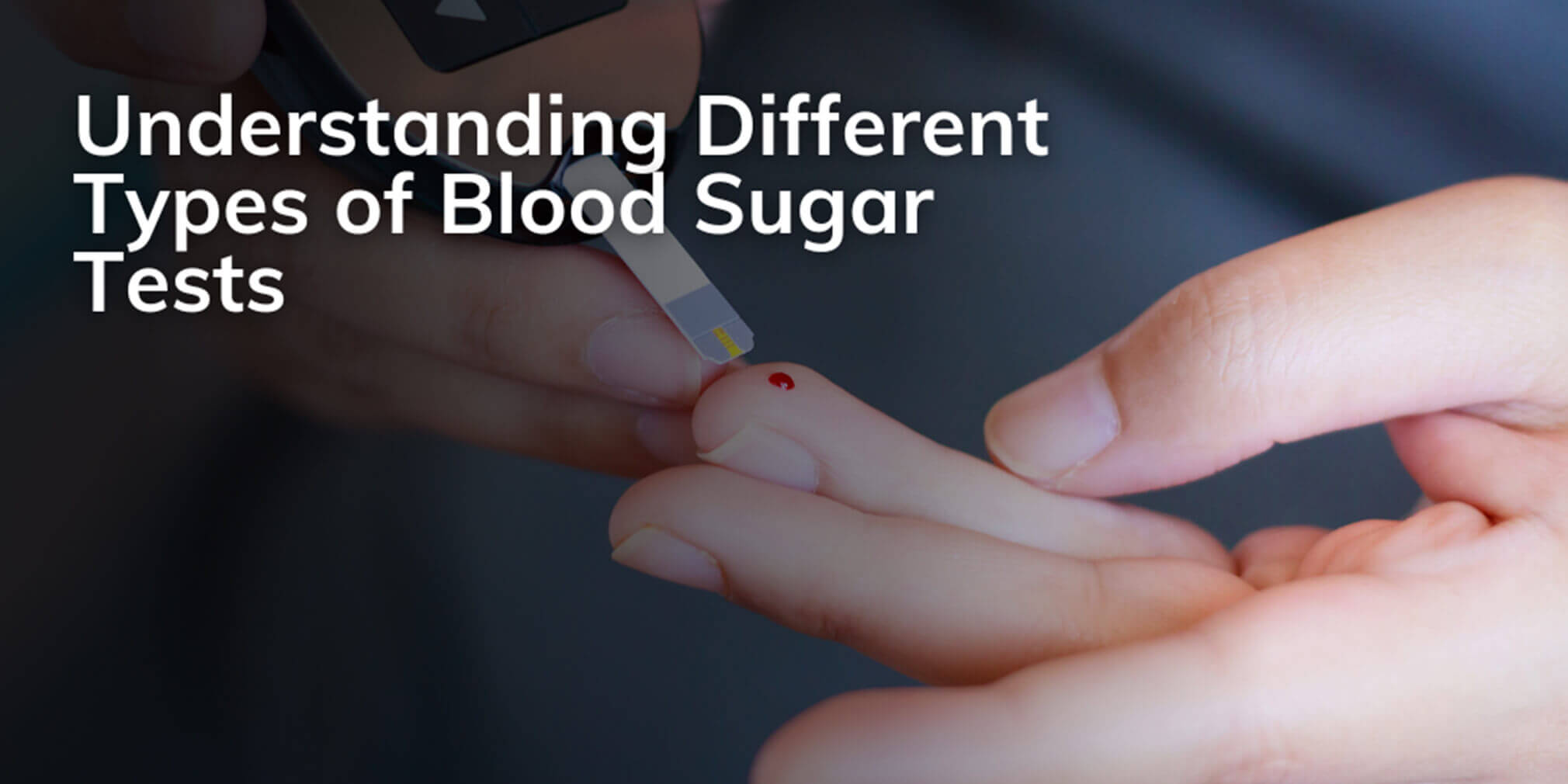
Understanding Different Types of Blood Sugar Tests
Everybody loves sweet treats, and they are indeed delightful. But for someone who has diabetes and that very person sweating daily on “What their blood sugar report is like?”, they need to be watchful about it.
It is also an unfortunate fact that diabetes is one of the most common diseases affecting many around the world. Everyone must understand what this disease is, its severity, and how they can overcome it to regain their health. They should also be aware of the different types of blood sugar tests available.
The normal sugar level in a healthy human being should be less than 140 milligrams per deciliter (mg/dL). Regardless of how strict their dietary plan is, no person can accurately determine their blood glucose level on their own. Hence, various tests and blood sugar monitoring methods are available to detect a person’s blood glucose levels.
Understanding fundamental concepts in the realm of blood sugar tests
Blood Glucose (Blood Sugar)
Blood Glucose (Blood Sugar) is the leading sugar in the human blood. It is the human body’s primary source of energy. It comes from the food people eat. The human body breaks down most of that into glucose and releases it in the bloodstream.
When blood glucose levels rise, the human body uses the pancreas to release insulin. It is a hormone that helps glucose enter cells to be used for energy.
Diabetes
Diabetes is a disease in which blood sugar levels become excessively high. If a person has diabetes, their body is unable to produce enough insulin. They also cannot use it properly (as it should be). Sometimes, both conditions occur, causing a multitude of health issues in the affected person.
With time, excessive sugar levels can cause serious health problems (complications due to diabetes). Those who have diabetes must keep their levels within the targeted range (or as prescribed by their physician).
Understanding blood sugar targets
Individuals with diabetes must ensure their blood glucose levels are within the prescribed ranges. Meaning, they need to keep it as low as possible.
Here are the usual targets:
- Before meals: 80-130 mg/dL.
- Two hours after having a meal: Less than 180 mg/dL.
The blood sugar targets can be different, and they are dependent on a range of factors, especially:
- The person’s age.
- Additional health problems are afflicting them.
It is advisable to consult with a physician or healthcare team to determine the optimal blood sugar range for maintaining good health.
Understanding Various Kinds of Blood Sugar Tests Available
Maintaining proper sugar levels is essential for maintaining good health. This is especially important for those who are at risk of diabetes or face issues in managing the condition. Many well-known medical centers, facilities, hospitals, and clinics offer a range of blood sugar tests. This helps individuals effectively monitor their sugar levels and maintain their health.
Let’s now explore the most common types of blood glucose tests and their purposes. We will also examine the methods for determining which one is right for individuals.
Fasting Blood Sugar Test
The fasting blood sugar test measures blood sugar levels after an overnight fast (at least eight hours without eating or drinking). This test is usually the first step in diagnosing diabetes or prediabetes. Here are some blood sugar levels to consider:
- Normal levels typically range from 70 to 99 milligrams per deciliter (mg/dL).
- Levels between 100 and 125 mg/dL indicate the person is prediabetic (borderline diabetic).
- Levels of 126 mg/dL or higher indicate the person has diabetes.
The following people should get this test:
- People with risk factors for diabetes (such as family history, obesity, or sedentary lifestyle).
- Those who are experiencing symptoms of elevated blood sugar levels, i.e., increased thirst, frequent urination, fatigue.
Oral Glucose Tolerance Test (OGTT)
The oral glucose tolerance test is a more comprehensive test evaluating how the body processes sugar. After fasting, the one needing the test drinks a glucose solution, and the blood glucose levels will be measured at intervals. They are usually measured at one and two hours after ingestion.
- A typical result is often below 140 mg/dL after two hours.
- A level between 140 and 199 mg/dL means borderline diabetic.
- Levels above 200 mg/dL or high means diabetic.
The following people should get this test:
- Those at high risk for type 2 diabetes, particularly those with obesity or a family history.
- Pregnant women for the diagnosis of gestational diabetes.
Hemoglobin A1C Test (HbA1c)
The Hemoglobin A1c test (also known as HbA1c test) provides an average of a person’s sugar levels over the previous two to three months. It measures the percentage of hemoglobin proteins in a person’s bloodstream coated with sugar. The following indicate essential levels in the test:
- A normal A1c level is usually below 5.7%.
- Levels between 5.7% and 6.4% indicate borderline diabetes.
- Levels above 6.5% indicate a person has diabetes.
The following should get this test:
- People who are already diagnosed with diabetes should monitor their long-term blood glucose control.
- Individuals at risk for diabetes should be included in their routine screening.
Random Blood Glucose Test
The random blood glucose test is used to measure blood glucose levels at any time of day. It does not take into consideration when a person had their recent meal. This test is used in emergencies to assess for diabetes or hyperglycemia. Results that are 200 mg/dL or higher, with symptoms of sugar, indicate diabetes.
The following people should get this test:
- People are experiencing severe symptoms of high blood sugar.
- People with known diabetes need immediate testing for sudden spikes in blood sugar levels.
Continuous Glucose Monitoring (CGM) Systems
Continuous glucose monitoring systems provide real-time blood sugar readings each day and night. A small sensor is inserted under the skin (usually on the abdomen) and measures sugar levels in the interstitial fluid. This information is sent to a device displaying a person’s sugar levels and trends.
The following kind of people require these systems:
- People with type 1 diabetes.
- People with insulin therapy.
- Patients requiring frequent monitoring due to fluctuating sugar levels.
Over to You
These different kinds of blood tests aren’t taken at random. They are brought under the direction of qualified physicians after they have thoroughly examined their patients. The reports of these tests are used for further diagnosis and treatment. If you are unsure which one to take, please do not hesitate to contact your doctor immediately.