
The Functions and Percentage of Plasma in Blood.
Understanding the percentage of plasma in blood helps explain how the circulatory system supports life, maintains internal balance, and responds to injury or disease. This liquid component forms the medium that carries cells, nutrients, hormones, and protective proteins throughout the body. Because this fluid influences immunity, clot formation, and volume regulation, it plays a central role in clinical assessment, transfusion practices, and overall health within the healthcare system.
Healthcare professionals frequently rely on laboratory analysis of this circulating fluid to evaluate hydration status, nutritional balance, liver performance, and clotting efficiency. A clear understanding of its composition and purpose strengthens awareness of how circulation sustains stability under physical and environmental stress.
What Is Plasma and Why It Matters
To understand circulation, many people ask what is plasma in blood and why it holds such importance. It represents the pale yellow fluid that suspends red blood cells, white blood cells, and platelets, allowing them to move efficiently through the vessels. Its composition includes water, proteins, electrolytes, glucose, hormones, enzymes, and metabolic waste.
Unlike solid cellular components, this fluid adapts rapidly to the body’s needs. As a result, it supports temperature control, substance transport, and pressure maintenance. During dehydration or infection, its composition shifts to restore equilibrium.
Composition and Percentage of Plasma in Circulation
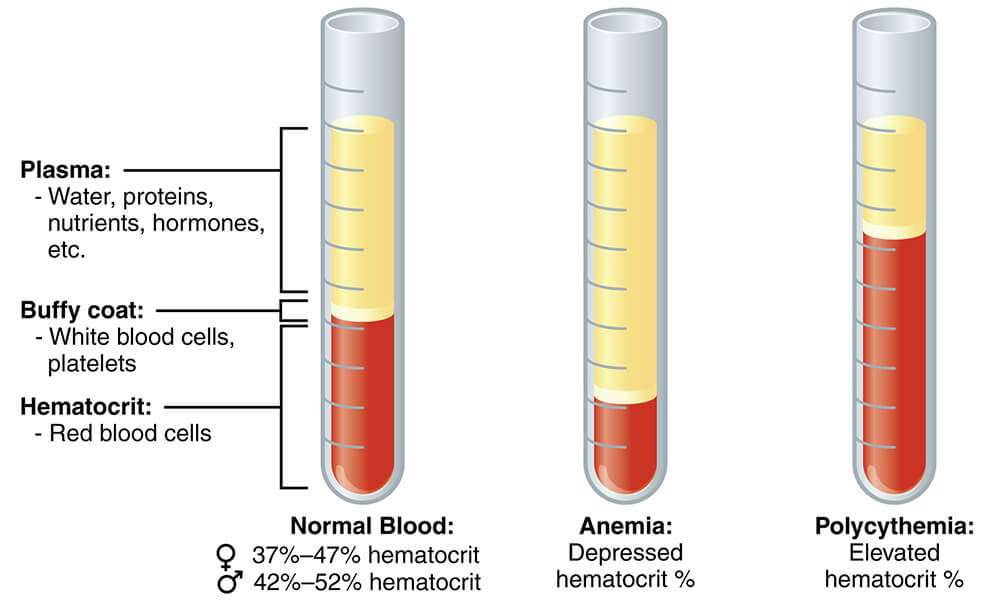
The percentage of plasma in blood typically remains close to 55% of the total volume in healthy adults. This proportion can vary based on hydration, altitude, pregnancy, and medical conditions. For instance, fluid loss reduces circulating volume, while excess intake increases it.
Water accounts for nearly 90 percent of this component, which allows efficient transport of dissolved substances. Proteins make up most of the remaining portion and include albumin, globulins, and fibrinogen. Electrolytes such as sodium, potassium, and chloride help maintain electrical balance and nerve signaling. Because of this composition, the percentage of plasma in blood directly affects circulation efficiency and oxygen delivery.
Clinicians monitor this proportion to assess shock, burns, kidney disorders, and chronic illness. A stable percentage of plasma in blood ensures that tissues receive nutrients while waste products are effectively eliminated.
Core Functions of Blood Plasma
The functions of blood plasma extend well beyond transport. First, it carries nutrients such as glucose, amino acids, and lipids from the digestive system to tissues. At the same time, it removes carbon dioxide, urea, and other metabolic byproducts.
Second, it regulates body temperature by distributing heat evenly. It also supports pH balance through buffering systems that protect enzymes and cellular structures. Additionally, circulating proteins preserve osmotic pressure, which prevents excessive fluid loss from vessels.
Another critical responsibility involves immune defense. Antibodies and complement proteins circulate within this fluid, protecting against infection. Due to these roles, the functions of blood plasma have a direct impact on energy levels, disease resistance, and recovery.
Plasma Proteins and Clot Formation
An essential aspect of circulation involves plasma and clotting factors, which work together to prevent excessive bleeding. Fibrinogen, prothrombin, and related proteins circulate in inactive forms until injury occurs. Once activated, they follow a precise sequence that results in a stable clot.
This mechanism protects the body from blood loss and limits the entry of microorganisms. At the same time, regulatory proteins restrict unnecessary clot formation within healthy vessels. Balanced interaction between plasma and clotting factors, therefore, supports healing without increasing the risk of thrombosis.
Healthcare providers evaluate clotting profiles before surgery and during liver disorders or bleeding conditions. Since the liver produces many clotting proteins, analysis of this fluid also reflects hepatic health and nutritional status.
Role in Fluid and Electrolyte Balance
This circulating medium maintains equilibrium between vessels and surrounding tissues. Albumin, the most abundant protein present, draws water into the bloodstream and prevents swelling. When albumin levels decline, fluid leaks into tissues, causing edema.
Electrolytes regulate muscle contraction, nerve transmission, and heart rhythm. As a result, even minor changes in composition can lead to noticeable symptoms. Maintaining a healthy percentage of plasma in blood supports stable circulation and prevents complications related to imbalance.
Use in Disease Detection and Monitoring
Medical testing frequently relies on this fluid component. Clinicians measure glucose, cholesterol, liver enzymes, and kidney markers to detect disease at an early stage. Hormone assessment also depends on these samples, which support the diagnosis of endocrine disorders. During infection or inflammation, protein levels increase, signaling immune activation. Therefore, laboratory evaluation guides treatment decisions and tracks recovery.
Importance of Blood Plasma Donation
Blood plasma donation plays a vital role in treating trauma, burns, immune deficiencies, and bleeding disorders. Products derived from donated fluid, including immunoglobulins and clotting factor concentrates, support emergency care and long term therapy.
Donation centers separate this component from whole blood using specialized equipment. Donors usually recover volume quickly because the body replaces fluid efficiently. As a result, blood plasma donation allows regular contribution while maintaining donor safety.
Factors That Influence Circulating Volume
Several factors affect circulating levels. Hydration status remains the most influential factor, as adequate fluid intake helps maintain normal volume. Physical activity, climate conditions, and dietary habits also shape composition.
Pregnancy naturally increases volume to support fetal growth. In contrast, severe illness, burns, or hemorrhage can cause a rapid reduction. Monitoring the percentage of plasma in blood allows clinicians to respond promptly and prevent complications.
FAQs
Q: What is plasma in blood made of?
A: It consists mainly of water, proteins, electrolytes, hormones, nutrients, and metabolic waste.
Q: What percentage of plasma in blood supports normal circulation?
A: Healthy adults usually maintain about 55 percent of total volume in this form.
Q: How do plasma and clotting factors work together?
A: They activate in a controlled sequence that stops bleeding while limiting unnecessary clot formation.
Q: Why do doctors test this component instead of whole blood?
A: It allows accurate measurement of chemicals, hormones, and proteins without cellular interference.
Q: Is blood plasma donation safe for regular donors?
A: Yes, donation remains safe when medical guidelines are followed and donors maintain good hydration.