
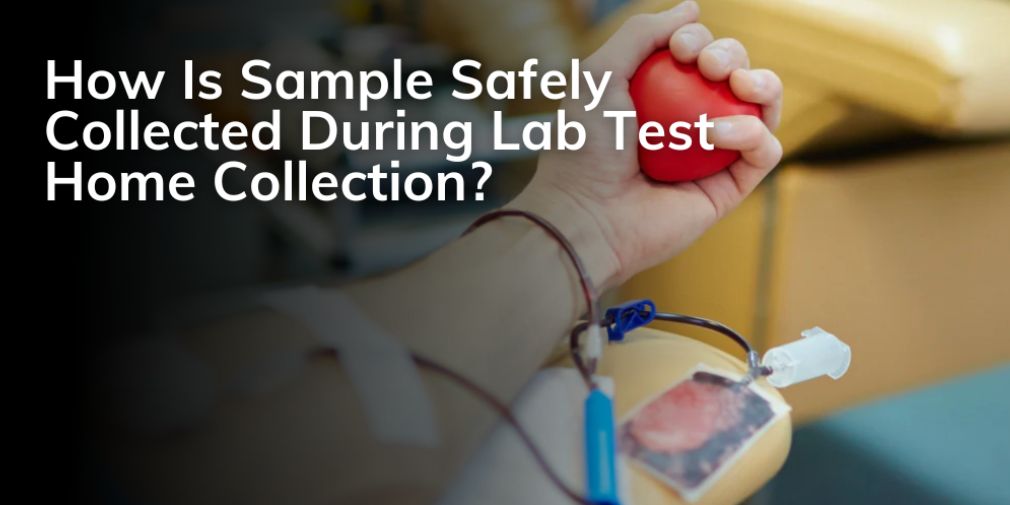
How Is Sample Safely Collected During Lab Test Home Collection
Lab test home collection has become a practical alternative to visiting a diagnostic facility, but a common concern among first-time users is whether the process is as safe and reliable as an in-clinic draw. The short answer is yes, provided the service follows standardised protocols, uses trained staff, and operates under a certified quality standard. Here is exactly what that looks like in practice.
What the Process Actually Involves
A home visit follows the same fundamental process as a facility-based draw. A trained phlebotomist arrives, verifies the patient’s identity and tests requested, collects the required sample, labels and seals it correctly, and transports it to the laboratory under controlled conditions. The setting changes but the protocol does not, and that consistency is what determines whether a lab test home collection is clinically valid.
Sample types typically collected at home include:
- Venous blood draws for routine and specialised panels
- Urine samples for urinalysis and culture
- Stool samples for gastrointestinal investigations
- Swabs for microbiological testing
Each has its own containment and transport requirement, and a properly run service accounts for all of them.
The Role of PPE in Safe Sample Collection
Personal protective equipment is not optional in safe sample collection, whether the setting is a hospital or a patient’s home. A trained phlebotomist should arrive equipped with and actively using:
- Disposable gloves, changed between patients without exception
- A clean protective apron or gown
- A face mask where clinically indicated or requested
- Hand sanitiser used before gloving and after glove removal
PPE works in both directions: it protects the patient from cross-contamination carried by the collector, and it protects the collector from exposure to biological material. The absence of either represents a protocol failure.
Sterile Equipment and Single-Use Materials
Every item that contacts the patient or their sample during blood sample collection from home must be sterile and single-use. Standard equipment in a properly conducted home draw includes:
- Vacutainer needles and tubes that are factory-sealed and opened in front of the patient
- Alcohol swabs for site preparation, used once and discarded
- A clean tourniquet, either single-use or disinfected between patients
- Sealed, leak-proof specimen containers for non-blood samples.
Patients should expect all equipment to be opened in front of them at the time of the lab test home collection. A collector who arrives with pre-opened or unpackaged materials is not following protocol.
Sample Labelling and Chain of Custod
A sample collected correctly but labelled incorrectly is clinically useless and potentially harmful. Every sample must be labelled immediately after the draw, before any other step. The label must include the patient’s full name, date and time of draw, the test requested, and a unique identification number linked to the laboratory’s system. This chain of custody from draw through transport to laboratory receipt is what ensures the result corresponds accurately to the patient it came from.
Transport and Temperature Control
Sample integrity does not end at the draw. Many tests are time-sensitive or temperature-sensitive, and improper transport can alter results in ways that are not always detectable. A reliable lab test home collection service manages this through insulated sealed transport containers, cold chain maintenance for samples requiring refrigeration, and timely delivery within the validated window for each test type.
An ISO-certified laboratory applies documented, audited standards to this entire chain. Certification means these protocols are written, verified, and regularly reviewed against an external standard rather than assumed or informal.
Why Home Sample Collection Is Considered Safe?
Why is home sample collection considered safe is best answered by looking at the actual risks and how each is controlled:
- Cross-contamination from non-sterile equipment: controlled through mandatory single-use materials
- Infection transmission: controlled through full PPE compliance
- Sample misidentification: controlled through immediate labelling and chain of custody documentation
- Sample degradation: controlled through proper transport conditions and time management
When each risk is addressed through a certified protocol, the home setting introduces no additional clinical risk compared to a facility draw. The variable is not the location; it is the rigour of the process.
What to Expect as a Patient?
A collector following proper protocol will:
- Arrive with a sealed, clearly identified kit
- Verify patient identity before proceeding
- Open all equipment in front of the patient
- Wear full PPE throughout the visit
- Label samples immediately after the draw
- Provide a receipt or reference number for tracking
If any of these steps are skipped or rushed during lab test home collection, it is appropriate to ask the collector to clarify before proceeding.
FAQ’S
Q: Is a home draw as accurate as a clinic draw?
A: Yes, provided the collector follows standardised protocols and uses properly sterile equipment. Accuracy depends on technique, sample integrity, and laboratory processing, none of which are inherently compromised by the home setting when the service operates to a certified standard.
Q: How do I know if the equipment is sterile?
A: All sterile single-use equipment arrives factory-sealed and should be opened in front of the patient. Vacutainer needles, tubes, and swabs should all be visibly sealed before the collector opens them.
Q: Can all routine tests be done through home visits?
A: Most routine and many specialised tests can be conducted through blood sample collection from home and general home visits, including blood panels, urine and stool analysis, and swabs. The specific tests available depend on the facility’s service scope, and patients should confirm when booking.
Q: What makes safe sample collection different from a standard draw?
A: The principles are identical regardless of setting. What defines safe practice for lab test home collection is consistent use of single-use sterile equipment, full PPE compliance, correct labelling, and proper transport, all applied to a documented and externally audited standard in an ISO-certified service.
Q: Is a home draw as accurate as a clinic draw?
A: Yes, provided the collector follows standardised protocols and uses properly sterile equipment. Accuracy depends on technique, sample integrity, and laboratory processing, none of which are inherently compromised by the home setting when the service operates to a certified standard.
Q: How do I know if the equipment is sterile?
A: All sterile single-use equipment arrives factory-sealed and should be opened in front of the patient. Vacutainer needles, tubes, and swabs should all be visibly sealed before the collector opens them.
Q: Can all routine tests be done through home visits?
A: Most routine and many specialised tests can be conducted through blood sample collection from home and general home visits, including blood panels, urine and stool analysis, and swabs. The specific tests available depend on the facility’s service scope, and patients should confirm when booking.
Q: What makes safe sample collection different from a standard draw?
A: The principles are identical regardless of setting. What defines safe practice for lab test home collection is consistent use of single-use sterile equipment, full PPE compliance, correct labelling, and proper transport, all applied to a documented and externally audited standard in an ISO-certified service.