
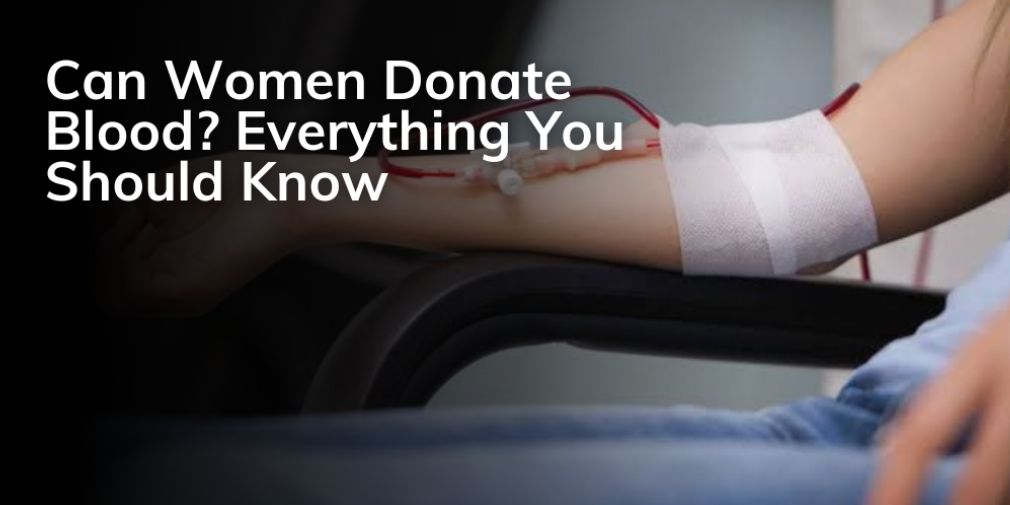
Can Women Donate Blood Everything You Should Know
Yes, healthy women between 18 and 59 years old, weighing at least 45 kg, with a hemoglobin level of 12.5 g/dL or higher, can donate blood under nearly the same criteria applied to men. Can women donate blood safely comes down to four checkpoints verified at screening: age, weight, haemoglobin, and general health, plus a small set of conditions specific to pregnancy, breastfeeding, and menstruation. Despite meeting these criteria, women remain a small share of actual donors in Pakistan, a gap this guide addresses directly.
Women Blood Donation Guidelines: The Core Criteria
A donor must be in good general health, aged 18 up to under 60, weigh at least 45 kg, and show a hemoglobin reading of at least 12.5 g/dL. The minimum interval between donations is three months for all donors.
Where the guidelines diverge is hemoglobin and physiology. The standard female cutoff of 12.5 g/dL sits below the male threshold because women naturally carry lower baseline hemoglobin, tied to monthly blood loss through menstruation and smaller average red cell mass.
Female Blood Donor Eligibility During Pregnancy and Postpartum
Female blood donor eligibility carries specific rules during pregnancy and after childbirth. Pregnant women cannot donate at any point during pregnancy, since the body is already directing extra iron and blood volume toward the growing fetus. Sindh’s regulator requires a wait of at least six months after delivery, and donation is only cleared once breastfeeding has stopped, since nursing places continued demand on maternal iron stores.
Staff confirm these details during the standard health questionnaire rather than relying on self-reporting alone, so donors should mention recent pregnancy or delivery upfront.
Is Blood Donation During Periods Safe?
Blood donation during periods is safe for most women and is not, by itself, a disqualifying factor. The only exception applies to heavy menstrual flow or significant cramping on the day of donation, both of which staff assess directly during the pre-donation screening rather than assuming from the calendar.
Women who feel fatigued, lightheaded, or unusually unwell during their cycle should reschedule regardless of official eligibility, since the screening checks general fitness on the day, not just a fixed rule.
Why Iron Levels in Women Donors Deserve Attention
Iron levels in women donors matter more than the hemoglobin test alone reveals. A 2026 study of non-pregnant Pakistani women aged 16 to 45 found that 41% had iron deficiency despite normal hemoglobin readings, meaning a donor can pass the finger-stick test and still be running low on stored iron. Iron deficiency was identified in 41% of the participants despite normal hemoglobin levels in that sample.
Iron deficiency is consistently more common among women than men, largely because of menstrual loss, pregnancy history, and lower dietary iron intake, which is why repeat female donors face a higher risk of depleted iron stores than repeat male donors. Iron deficiency is more prevalent among women due to menstruation, pregnancy, and other physiological factors, and it remains a critical issue affecting female donor retention in transfusion programs globally.
Eating iron-rich foods such as red meat, lentils, and leafy greens in the days before donating, and waiting the full three-month interval, helps protect against this gap.
Why So Few Women Donate Blood in Karachi
Women remain sharply underrepresented among donors in Karachi specifically, not just globally. A study of 2,503 donors presenting to a Karachi blood bank found that 99.7% were men and only 0.3% were women, with female donors also showing a measurably higher deferral rate than male donors during screening.
Out of 2,503 donors, 2,493 were men and only 10 were women, and the frequency of deferral was higher among women relative to their small overall numbers in that population. Anemia was the leading cause of temporary deferral across the full donor pool, a pattern that disproportionately affects women given typical hemoglobin margins. [Reference]
This gap is not a reflection of eligibility. It reflects awareness, screening turnout, and iron management, all of which are addressable before donation day.
How Women Can Prepare Before Donating
A few adjustments before the appointment improve the odds of a smooth donation and an accurate hemoglobin reading:
- Eat an iron-rich meal within a few hours of donating
- Drink 3 to 4 glasses of water beforehand
- Avoid scheduling during heavy flow days
- Confirm the three-month gap since the last donation
- Mention pregnancy, recent delivery, or breastfeeding status during screening
Donors who prepare this way are less likely to be deferred at the hemoglobin check, which remains the single most common reason women are turned away at screening.
Donate at Husaini
Husaini Blood Bank has screened donors in Karachi since 1979, using the same eligibility criteria outlined above for every walk-in and blood drive appointment. Women can always visit a Husaini branch for a health questionnaire, vital signs check, and hemoglobin test on the spot, or reach out to arrange a workplace or campus blood drive.
Q: Can women donate blood while on their period?
A: Yes. Blood donation during periods is generally safe and does not disqualify a donor on its own. The only exception is heavy menstrual flow or significant cramping on the donation day, which staff evaluate during screening. Mild or regular periods do not affect eligibility.
Q: What are the women blood donation guidelines for hemoglobin?
A: Women blood donation guidelines set the minimum hemoglobin at 12.5 g/dL, lower than the male threshold due to natural physiological differences. This is checked with a quick finger-stick test before every donation. Donors below this level are temporarily deferred until levels recover.
Q: How long after childbirth can a woman donate blood?
A: Female donor eligibility resumes at least six months after delivery, and only once breastfeeding has stopped. This waiting period allows iron stores and volume to fully recover. Staff confirms this status during the standard pre-donation health questionnaire.