

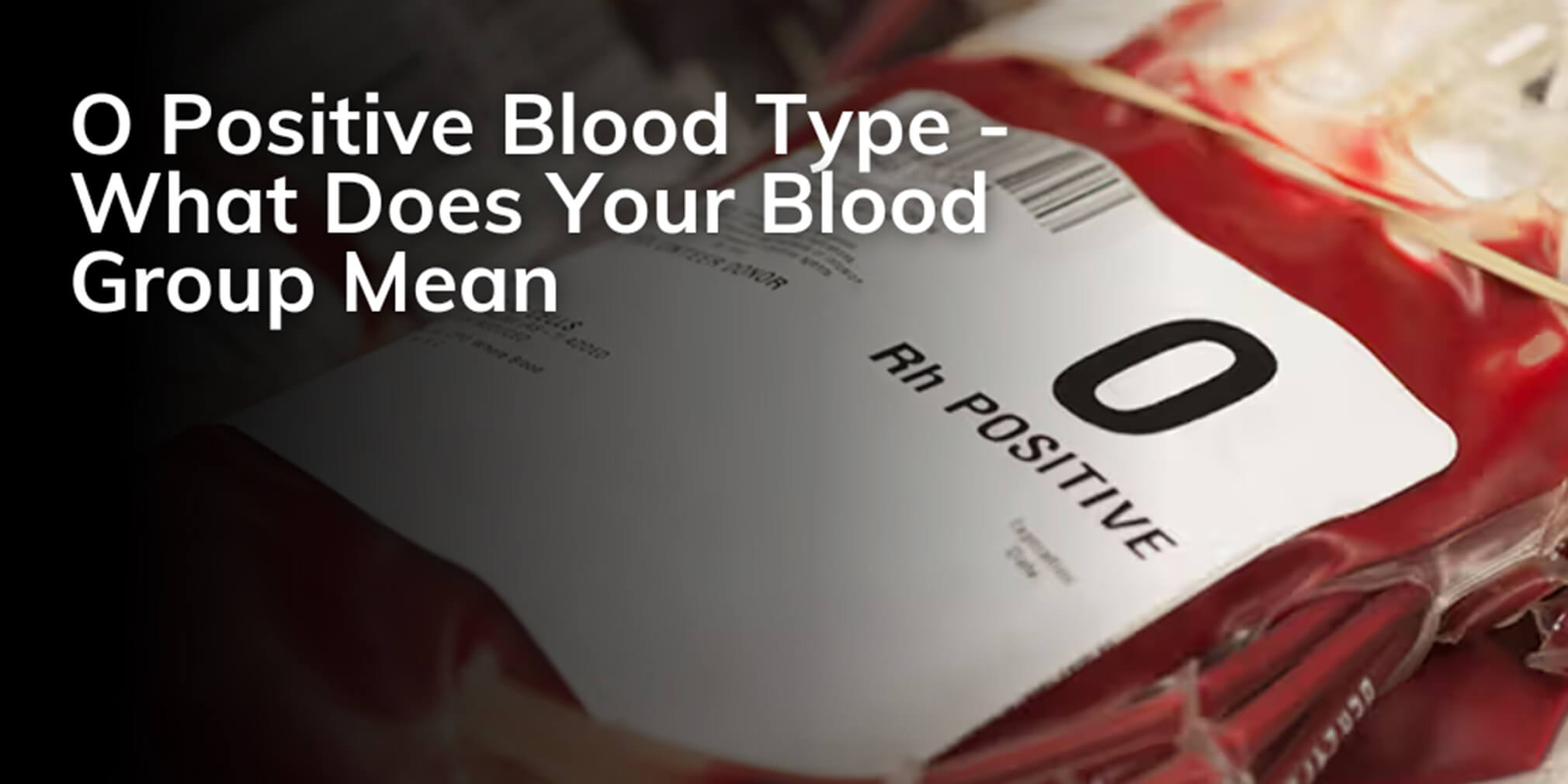
O Positive Blood Type – What Does Your Blood Group Mean
[vc_row][vc_column][vc_column_text]The O positive blood type ranks among the most common groups worldwide and holds a central role in modern healthcare. It directly influences transfusion safety, emergency response, and clinical decision making. Your group determines whom you can donate to and whose blood you can receive, making it a critical factor in surgeries, trauma care, and childbirth. Doctors rely on accurate blood typing to prevent complications and to ensure that patients receive compatible transfusions without delay. [/vc_column_text][/vc_column][/vc_row][vc_row][vc_column][vc_column_text] Understanding Blood Groups and Rh Factor Blood groups depend on the presence or absence of antigens on RBCs. The ABO system classifies blood into four main types:
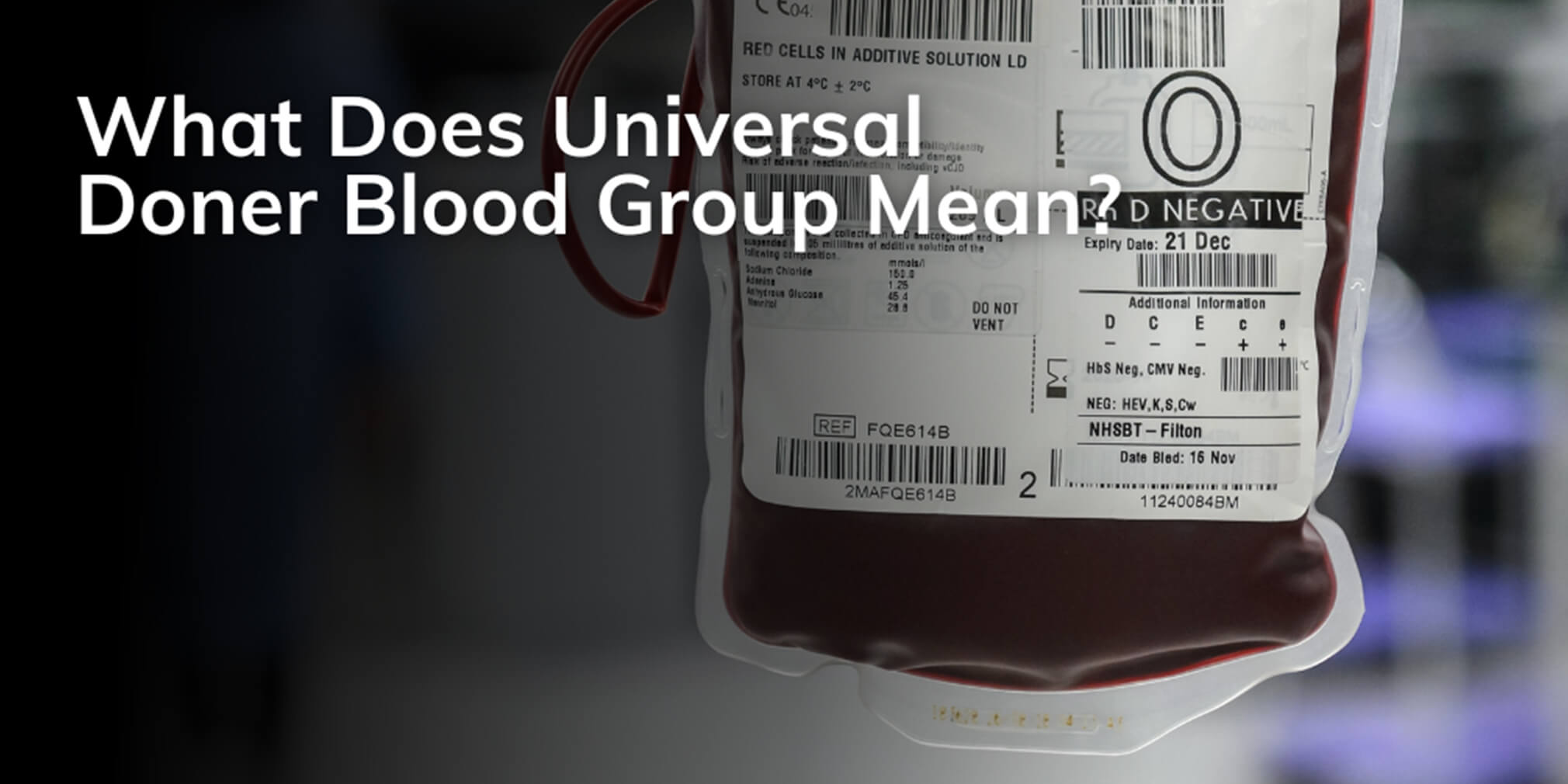
What Does Universal Doner Blood Group Mean?
The term universal donor blood group refers to a specific type that can safely donate to almost all other types. In transfusion medicine, this concept plays a critical role in emergencies where an immediate transfusion becomes essential. Healthcare providers rely on the universal group to prevent life threatening delays, especially when there is no time for extensive compatibility testing. [vc_row][vc_column][vc_column_text] Understanding Blood Groups and Compatibility Human blood falls into different categories based on the presence or absence of antigens on red blood cells (RBCs). The two most important systems include ABO and Rh factor. These systems determine compatibility between donor and recipient. There are