

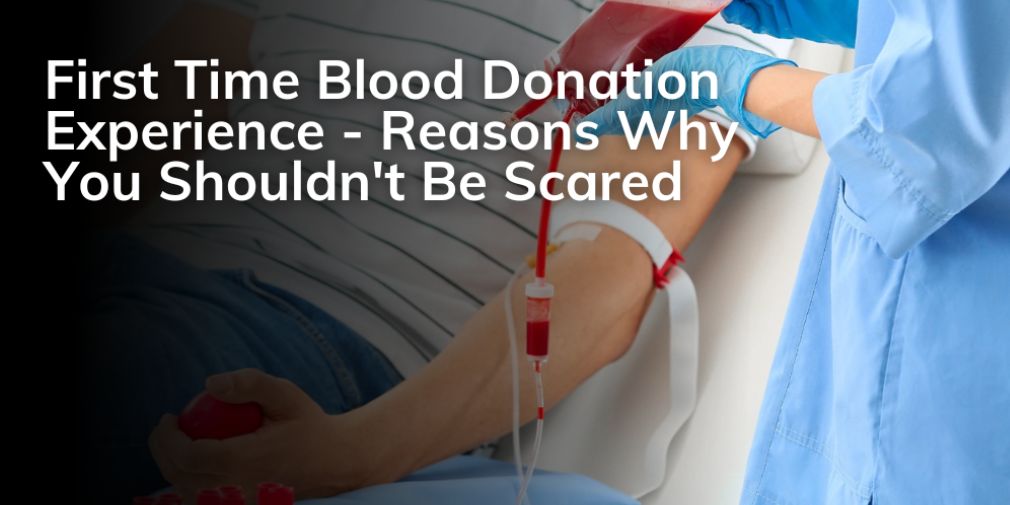
First Time Blood Donation Experience – Reasons Why You Shouldn’t Be Scared
Walking into a blood donation center for the first time can feel intimidating. Many people worry about pain, weakness, needles, or possible health risks, yet most donors leave with relief, confidence, and pride after completing their first time blood donation experience. Blood donation remains one of the safest medical procedures when trained professionals follow proper screening and collection protocols. A single donation can support accident victims, surgical patients, individuals with blood disorders, and people undergoing emergency treatment. [vc_row][vc_column][vc_column_text] Why First Time Donors Feel So Nervous The fear surrounding first time donating blood often has less to do with pain and more to do
Common Types of Blood Screening Tests
[vc_row][vc_column][vc_column_text]Blood is one of the most informative diagnostic tools available in modern medicine. The types of blood screening tests doctors use today can detect diseases, assess organ function, measure nutrient levels, and identify risk factors long before symptoms ever appear. Understanding what these tests measure and why they matter helps you become a more informed participant in your own healthcare. [/vc_column_text][/vc_column][/vc_row][vc_row][vc_column][vc_column_text] What Is Blood Screening? Before exploring specific tests, it helps to understand what this means in a clinical context. This screening refers to the process of analyzing a blood sample to detect the presence of diseases, abnormalities, or biological markers that may