

Platelet Donation vs Blood Donation – What’s the difference?
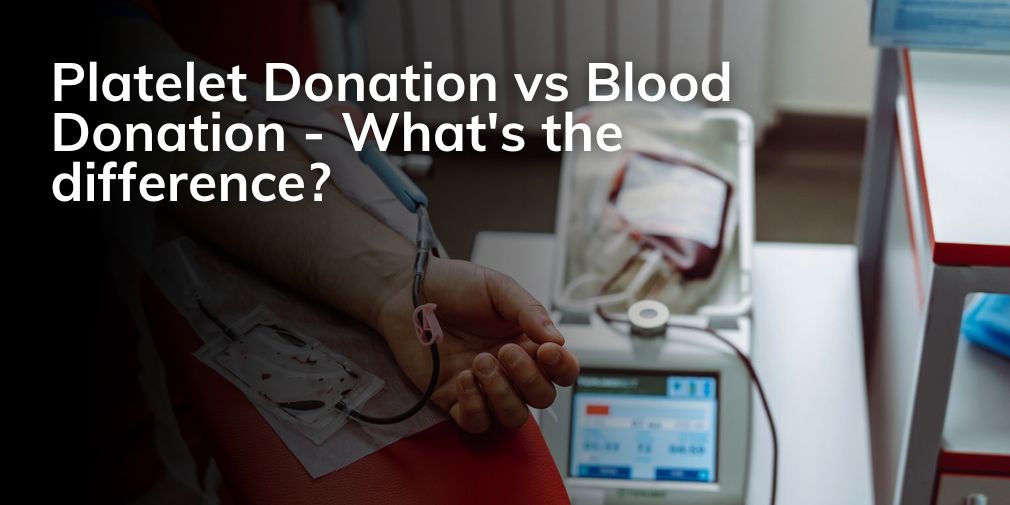
Platelet donation vs blood donation are not the same process, do not serve the same clinical purpose, and do not follow the same donor requirements. Most people assume donating is donating, but the type determines what a patient receives, how quickly it reaches them, and how often a donor can contribute. Here is exactly how the two differ. [vc_row][vc_column][vc_column_text] What Happens During a Whole Blood Draw? A single draw collects approximately 450 millilitres, which a laboratory then separates into its three components: RBCs, plasma, and platelets. The draw itself takes 10 to 15 minutes, with the full visit including registration and health screening
The Complete Blood Donation Process Husaini Blood Bank
Blood donation saves lives every day by supporting emergency care, surgeries, cancer treatment, thalassemia management, and critical medical procedures. A clear understanding of the blood donation process helps donors feel confident, prepared, and informed before they visit a blood bank. From registration to recovery, every step follows strict medical standards that protect both the donor and the recipient while ensuring safe collection and storage. [vc_row][vc_column][vc_column_text] Eligibility Requirements Before Donation Medical staff reviews several factors before allowing someone to donate blood. These requirements help maintain donor safety and blood quality. A donor usually needs to: Meet the minimum age requirement Maintain an appropriate body weight