
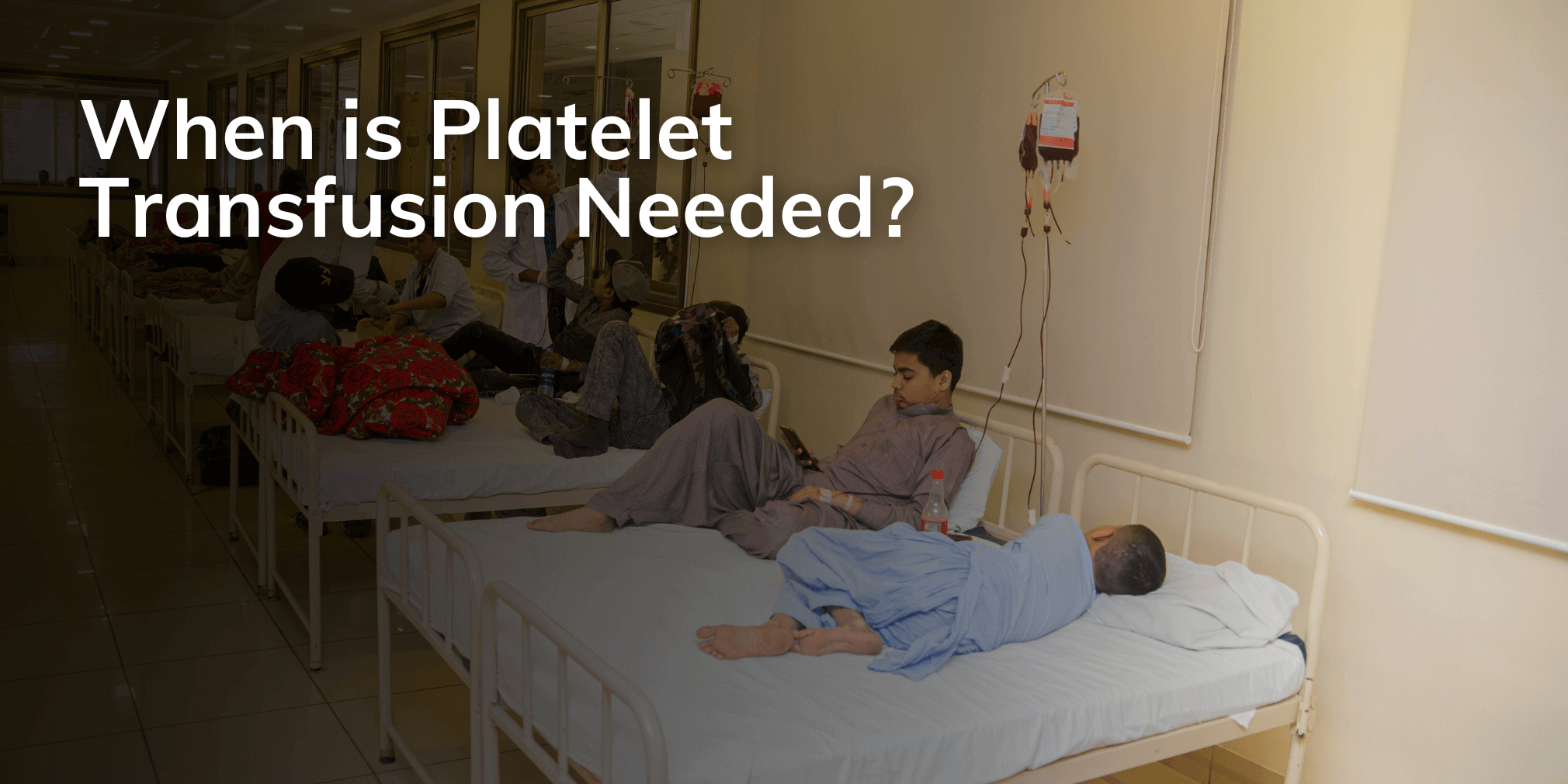
When is Platelet Transfusion Needed?
Platelet transfusion is a critical component in modern medicine. When stopping life-threatening bleeding or preventing it before surgery, platelets are tiny yet powerful blood cells responsible for clotting. This guide answers the essential question: When is platelet transfusion needed? We explore:
- Key platelet transfusion indications
- Safe thresholds and acceptable platelet counts for surgery
- Understanding mega units of platelets
- Platelet shape and function
Combining professional guidelines, evidence-based research, and hospital protocols, we offer clear and practical guidance for patients, families, and caregivers navigating decisions around platelet transfusion.
What Are Platelets & Why Their Shape Matters
Platelets (or thrombocytes) are 2–4 µm disc-shaped cell fragments essential for blood clotting. Their shape, i.e., disc-like when inactive and irregular when active, enables adhesion, aggregation, and plug formation at injury sites.
However, clotting efficiency depends not only on platelet count but also on their morphology and quality. Disorders or treatments affecting platelet shape or function, i.e., chemotherapy or inherited platelet diseases, may impair clotting even when platelet numbers seem normal. In such cases, platelet transfusion may be indicated to restore proper hemostasis despite a “normal” count.
1. Prophylactic vs. Therapeutic Platelet Transfusion
- Prophylactic transfusion prevents bleeding in patients with low counts or function defects, before symptoms or surgery.
- Therapeutic transfusion treats active bleeding caused by thrombocytopenia or dysfunctional platelets.
In clinical settings such as chemotherapy, stem-cell transplant, or severe platelet dysfunction, prophylactic transfusion is a preventive measure. Meanwhile, therapeutic transfusion immediately halts ongoing bleeding, often in trauma or procedural complications.
2. Platelet Transfusion Indications & Thresholds
Recommendations vary slightly across guidelines, but here are widely accepted platelet transfusion indications and thresholds:
A. Prevent Spontaneous Bleeding
- <10 × 10⁹/L in stable, non-bleeding patients, especially with hypoproliferative thrombocytopenia (e.g., chemotherapy or stem-cell transplant)
- Counts between 10–20 × 10⁹/L: consider based on fever, infection, etc.
- No prophylaxis needed above 20 × 10⁹/L without symptoms.
B. Before Invasive Procedures
- Central venous catheter insertion: transfuse if <20 × 10⁹/L
- Lumbar puncture, major surgery: target ≥50 × 10⁹/L
- Neurosurgery or ophthalmic surgery: aim for ≥100 × 10⁹/L: the safest threshold given bleeding risks.
C. During Active Bleeding
- Treat patients with thrombocytopenia (<50 × 10⁹/L) who show bleeding signs.
- Severe hemorrhage (trauma, intracranial bleeding) often triggers transfusion when counts are <100 × 10⁹/L.
- In cardiac bypass bleeding from platelet dysfunction, use is therapeutic, not prophylactic.
Thresholds may differ with patient risk factors such as liver disease, anticoagulant use, or renal failure.
3. Acceptable Platelet Count for Surgery
A critical concern is the acceptable platelet count for surgery:
- ≥50 × 10⁹/L is sufficient for most major surgeries
- ≥100 × 10⁹/L is recommended for neurosurgical, ophthalmic, or spinal procedures, where bleeding can cause catastrophic outcomes.
Some low-risk procedures may proceed at lower counts (e.g., 30–40 × 10⁹/L), depending on clinician assessment. The goal remains bleeding prevention, not arbitrary numbers.
4. What Is a Mega Unit of Platelets?
A mega unit or therapeutic dose of platelets, usually collected via apheresis, contains about 3 × 10¹¹ platelets, equivalent to 4–6 pooled single-donor units.
Such a unit typically raises platelet counts by 30–50 × 10⁹/L, depending on patient size, spleen status, and existing consumption rates. Post-transfusion, counts may drop rapidly due to splenic pooling or ongoing disease, requiring close monitoring.
5. Risks Associated With Transfusion
Though lifesaving, platelet transfusion risks are non-negligible:
- Allergic or febrile reactions occur in up to 34% of cases
- Infections & TRALI (lung injury) are rare but serious; platelets are stored at room temperature, increasing bacterial risk
- Alloimmunization: repeated transfusions may trigger an immune response against donor antigens, reducing effectiveness.
- Thrombosis risk: Transfusing platelets in TTP or HIT can worsen clotting and is contraindicated
Decisions should weigh bleeding prevention vs adverse events and consider alternative therapies when available.
6. Monitoring After Transfusion
After transfusion, evaluate corrected count increment (CCI) within 1 hour and again at 18–24 hours to assess effectiveness.
Factors affecting response include:
- Patient body size
- Splenic function (e.g., hypersplenism)
- Infection
- Medications (e.g., amphotericin)
Poor increments may indicate alloimmunization or rapid consumption, warranting specialist consultation and possibly HLA-matched platelets.
7. Summary Table of Key Indications
| Situation | Platelet Threshold | Purpose |
|---|---|---|
| Spontaneous bleeding (stable patient) | <10 × 10⁹/L | Preventive |
| Central venous catheter insertion | <20 × 10⁹/L | Preventive |
| Major surgery/lumbar puncture | <50 × 10⁹/L | Preventive |
| Neurosurgery/ophthalmic surgery | <100 × 10⁹/L | Preventive |
| Active bleeding | <50–100 × 10⁹/L | Therapeutic |
| Contraindicated in TTP, HIT unless bleeding | N/A | Avoid transfusion |
Concluding…
Understanding when platelet transfusion is needed is crucial for effective and safe care. The essential platelet transfusion indications revolve around bleeding risk and platelet functionality. Transfusion thresholds: 10, 20, 50, and 100 × 10⁹/L serve as clinical tools, not absolutes. Risks like allergic reactions and alloimmunization demand cautious, personalized decisions.
With this guide, patients and clinicians gain clarity on allowable platelet counts for surgery, the meaning of a mega unit of platelets, and the real-world contexts that trigger transfusion.