
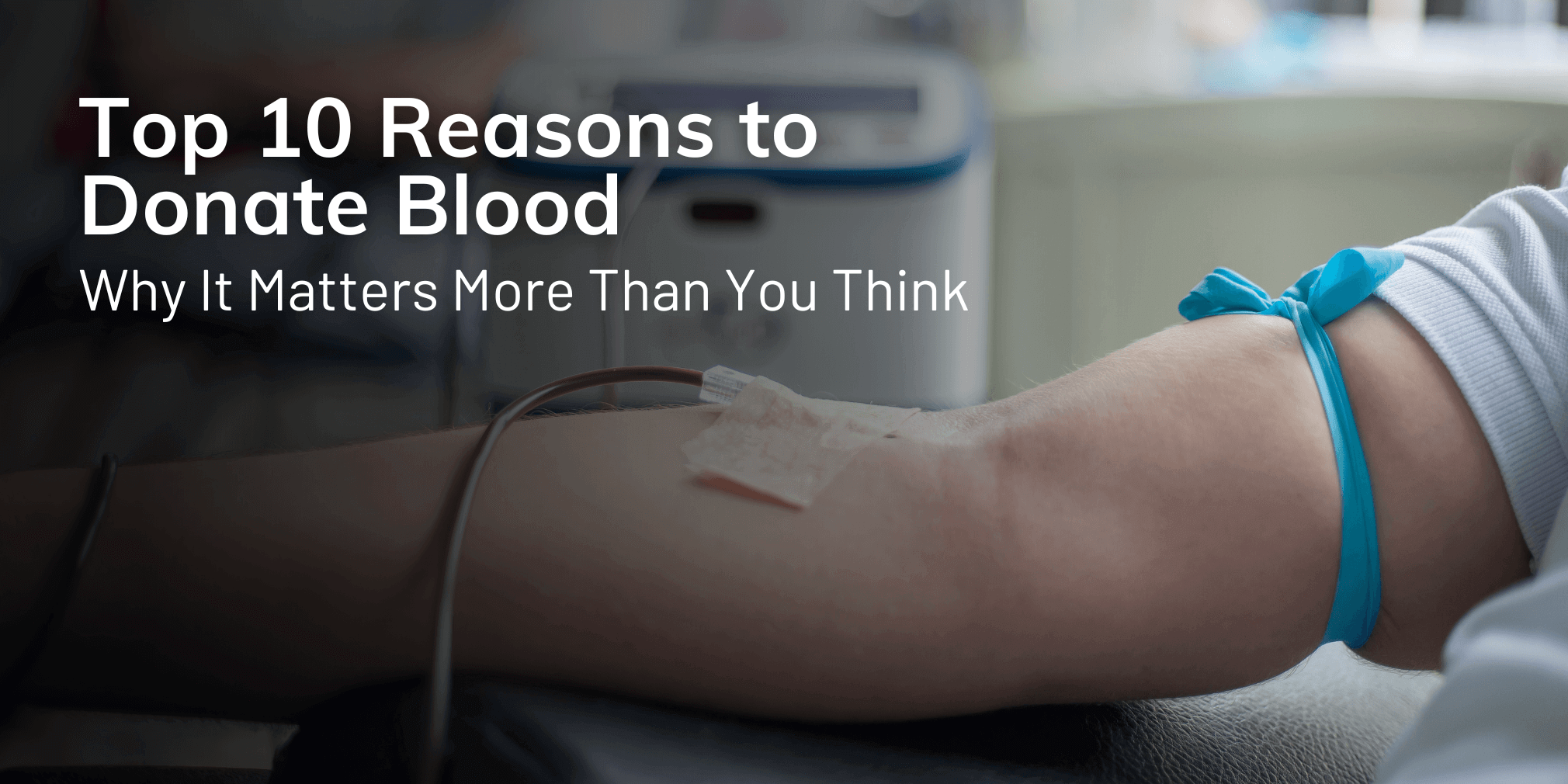
Top 10 Reasons to Donate Blood: Why It Matters More Than You Think
Donating blood is one of the simplest, most impactful acts of kindness, yet many people don’t realize just how valuable their contribution can be. Every drop you donate can help save a life, support critical medical treatments, and even benefit your own health.
In this guide, we’ll explore the top 10 reasons to donate blood, covering the advantages of blood donation, how it works, and why regular donors are essential to the healthcare system.
1. You Can Save Lives – Literally
One blood donation can save up to three lives, according to the World Health Organization. Blood is needed in a wide range of situations, from trauma cases and surgeries to cancer treatments and childbirth complications.
In emergencies like road accidents or surgeries, blood transfusion is often the difference between life and death.
2. There’s No Substitute for Human Blood
Despite advances in medicine, there is no synthetic alternative to human blood. Hospitals rely entirely on donations to keep blood supplies adequate.
This makes voluntary, unpaid donors like you absolutely essential to the healthcare system.
3. It Supports Patients with Chronic Conditions
Patients with conditions like:
- Thalassemia
- Sickle cell disease
- Cancer (especially chemotherapy)
- Severe anemia
…often require regular transfusions to survive. At institutions like Husaini Blood Bank, a large portion of donations go toward such long-term care needs.
4. It Helps During Natural Disasters or Emergencies
In mass casualty events, i.e., earthquakes, floods, or large accidents, the demand for blood spikes dramatically.
Regular donors ensure a ready, screened supply is available in crises. Your donation today could be critical during tomorrow’s emergency.
5. You Get a Free Health Screening
Before donating blood, you undergo a mini health check that includes:
- Hemoglobin level
- Blood pressure
- Temperature
- Pulse
- Infectious disease screening (HIV, Hepatitis B & C, Syphilis, Malaria)
This is not a replacement for a doctor’s visit, but it can be an early warning sign for certain conditions.
6. Blood Donation Has Health Benefits for You Too
Emerging research suggests that regular blood donation may have health benefits, such as:
- Lowering iron stores in the body (which can reduce the risk of heart disease in people with iron overload
- Improving cardiovascular health
- Stimulating new blood cell production
A 2016 study published in the Journal of Blood Medicine showed that repeat donors had better cholesterol profiles and lower oxidative stress markers.
7. It Promotes a Sense of Community
Blood donation is an act of solidarity. Whether through office drives, university events, or neighborhood campaigns, participating in a blood donation activity connects you to a larger purpose and builds empathy within society.
At Husaini, regular blood drives promote a culture of volunteering and civic responsibility.
8. It’s Quick, Safe, and Easy
The entire process, from registration to donation, takes about 30 to 45 minutes, with the actual blood draw lasting around 8–10 minutes.
Modern blood donation practices are:
- Completely safe (single-use sterile needles)
- Well-regulated by national health authorities
- Monitored by trained medical professionals
You can even opt for mobile blood collection or home sample collection in some cities for added convenience.
9. You Might Be a Universal Donor
If you have O-negative blood, you are considered a universal red blood cell donor, meaning your blood can be used in emergency transfusions when the patient’s blood type is unknown.
Only 7% of people have O-negative blood, yet it’s in constant demand because of its universal compatibility.
Donating regularly if you belong to this group is especially important.
Bonus: You’ll Feel Good About It
Aside from the health and social reasons, there’s a psychological benefit to blood donation, too. Studies show that volunteering boosts mood, reduces stress, and can even increase your sense of well-being.
Blood Donation Facts to Know
| Fact | Detail |
|---|---|
| Minimum age to donate | 17 years (in Pakistan) |
| How often you can donate | Every 3 months |
| How much blood is taken | ~450 ml |
| Time it takes | 8–10 minutes for donation |
| Who can donate | Healthy adults, 50kg+, hemoglobin ≥ 12.5 g/dL |
| Recovery | Eat iron-rich foods, hydrate, and rest |
Where to Donate Blood in Pakistan
Husaini Blood Bank, one of Karachi’s largest and most trusted blood services, offers:
- Voluntary donation
- Platelet & plasma donation
- Thalassemia & cancer patient support
- Mobile donation camps
- Home sample collection
- Fully screened blood products
Final Thoughts
Whether you’re motivated by compassion, health benefits, or civic duty, the advantages of blood donation are undeniable. From saving lives to improving your own health, donating blood is one of the most direct, meaningful acts of service you can perform.
Don’t wait for a reason. Be the reason.