
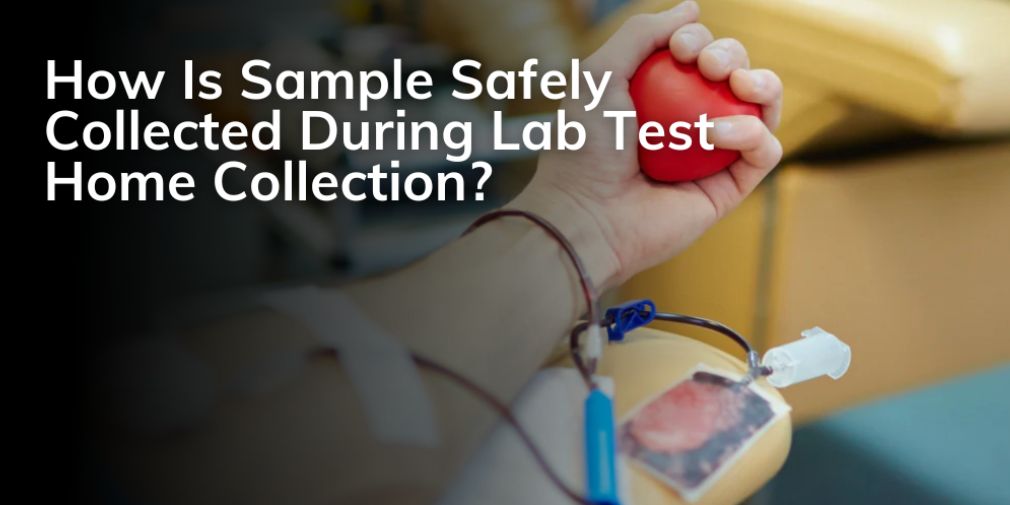
How Is Sample Safely Collected During Lab Test Home Collection
Lab test home collection has become a practical alternative to visiting a diagnostic facility, but a common concern among first-time users is whether the process is as safe and reliable as an in-clinic draw. The short answer is yes, provided the service follows standardised protocols, uses trained staff, and operates under a certified quality standard. Here is exactly what that looks like in practice. [vc_row][vc_column][vc_column_text] What the Process Actually Involves A home visit follows the same fundamental process as a facility-based draw. A trained phlebotomist arrives, verifies the patient's identity and tests requested, collects the required sample, labels and seals it correctly, and
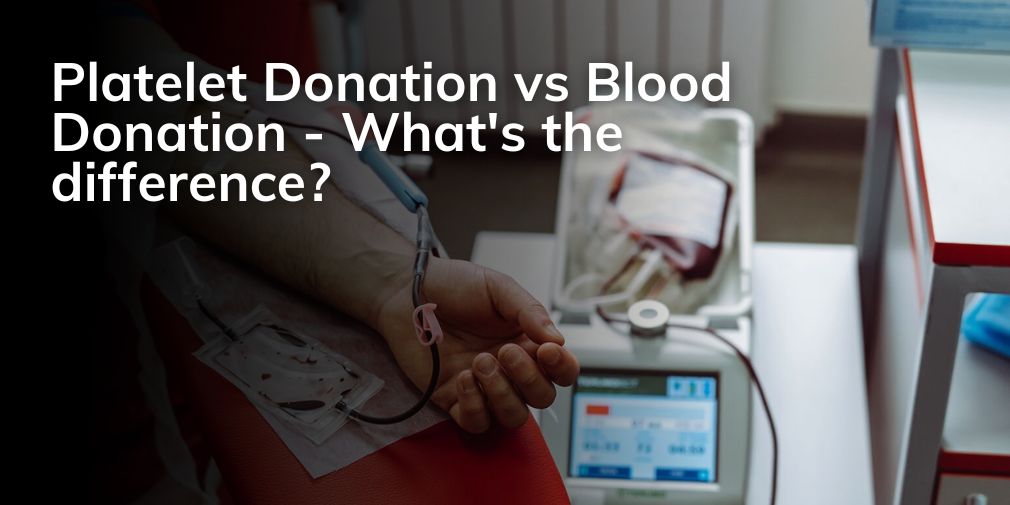
Platelet Donation vs Blood Donation – What’s the difference?
Platelet donation vs blood donation are not the same process, do not serve the same clinical purpose, and do not follow the same donor requirements. Most people assume donating is donating, but the type determines what a patient receives, how quickly it reaches them, and how often a donor can contribute. Here is exactly how the two differ. [vc_row][vc_column][vc_column_text] What Happens During a Whole Blood Draw? A single draw collects approximately 450 millilitres, which a laboratory then separates into its three components: RBCs, plasma, and platelets. The draw itself takes 10 to 15 minutes, with the full visit including registration and health screening