

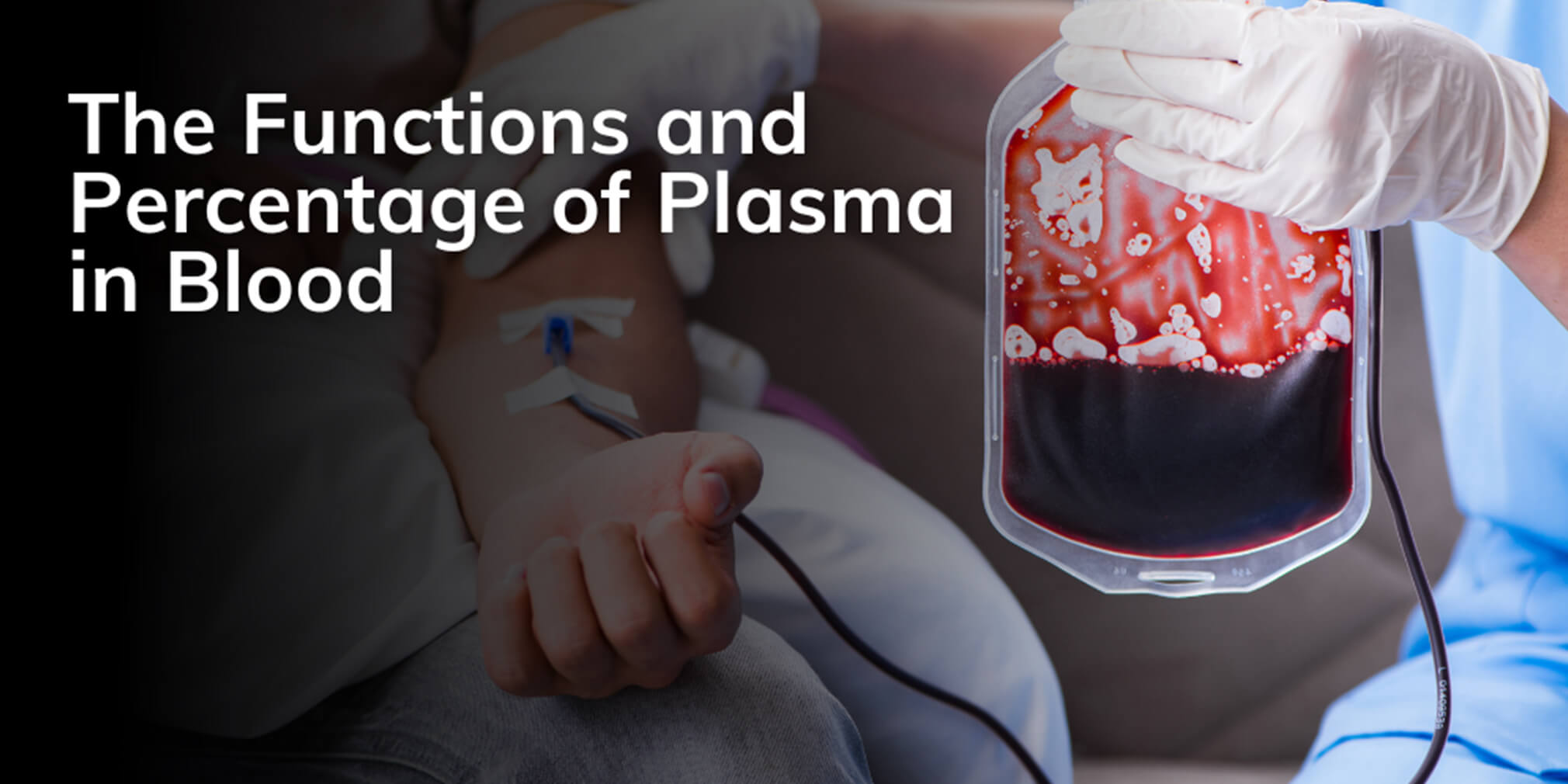
The Functions and Percentage of Plasma in Blood.
Understanding the percentage of plasma in blood helps explain how the circulatory system supports life, maintains internal balance, and responds to injury or disease. This liquid component forms the medium that carries cells, nutrients, hormones, and protective proteins throughout the body. Because this fluid influences immunity, clot formation, and volume regulation, it plays a central role in clinical assessment, transfusion practices, and overall health within the healthcare system. Healthcare professionals frequently rely on laboratory analysis of this circulating fluid to evaluate hydration status, nutritional balance, liver performance, and clotting efficiency. A clear understanding of its composition and purpose strengthens awareness of

What is a Universal Blood Group? Blood Types Explained
Understanding how human circulation works plays a critical role in saving lives, especially during emergencies, surgeries, and transfusion procedures (World Health Organization). One concept that often raises questions is the universal blood group. This term directly relates to how RBCs interact within the body, how transfusions are made safe, and how hospitals manage limited supplies. [vc_row][vc_column][vc_column_text] The grouping of this vital fluid depends on specific antigens present on RBCs and antibodies present in plasma. Because not all blood behaves the same way, compatibility becomes essential. Therefore, knowing which donor material can safely be transferred to whom helps prevent severe transfusion reactions and