

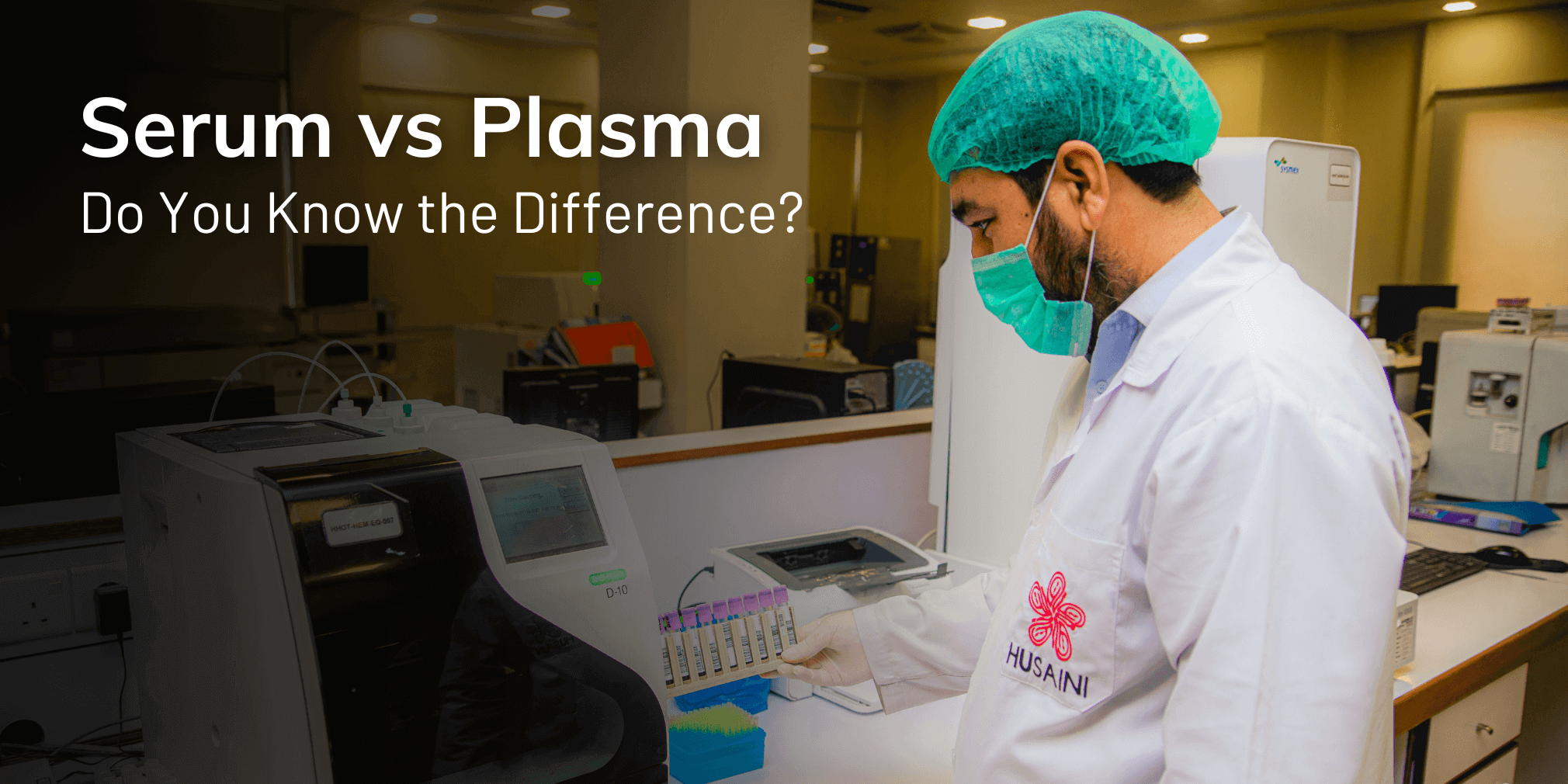
Serum vs Plasma: Do You Know the Difference?
Serum and plasma are two essential liquid components of blood, often used interchangeably, but they’re not the same. Understanding the serum vs plasma difference is vital for healthcare, diagnostics, and research. In this guide, we'll explain: What is serum in blood and blood plasma definition What is the difference between serum and plasma, visually and functionally How they're collected, processed, and used in labs and clinics [vc_row][vc_column][vc_column_text] Whether you're a patient or preparing for lab tests or sample collection at Husaini Blood Bank, this clarity is key to your health journey. Plasma: What It Is and Why It Matters Blood plasma is the straw-colored, liquid
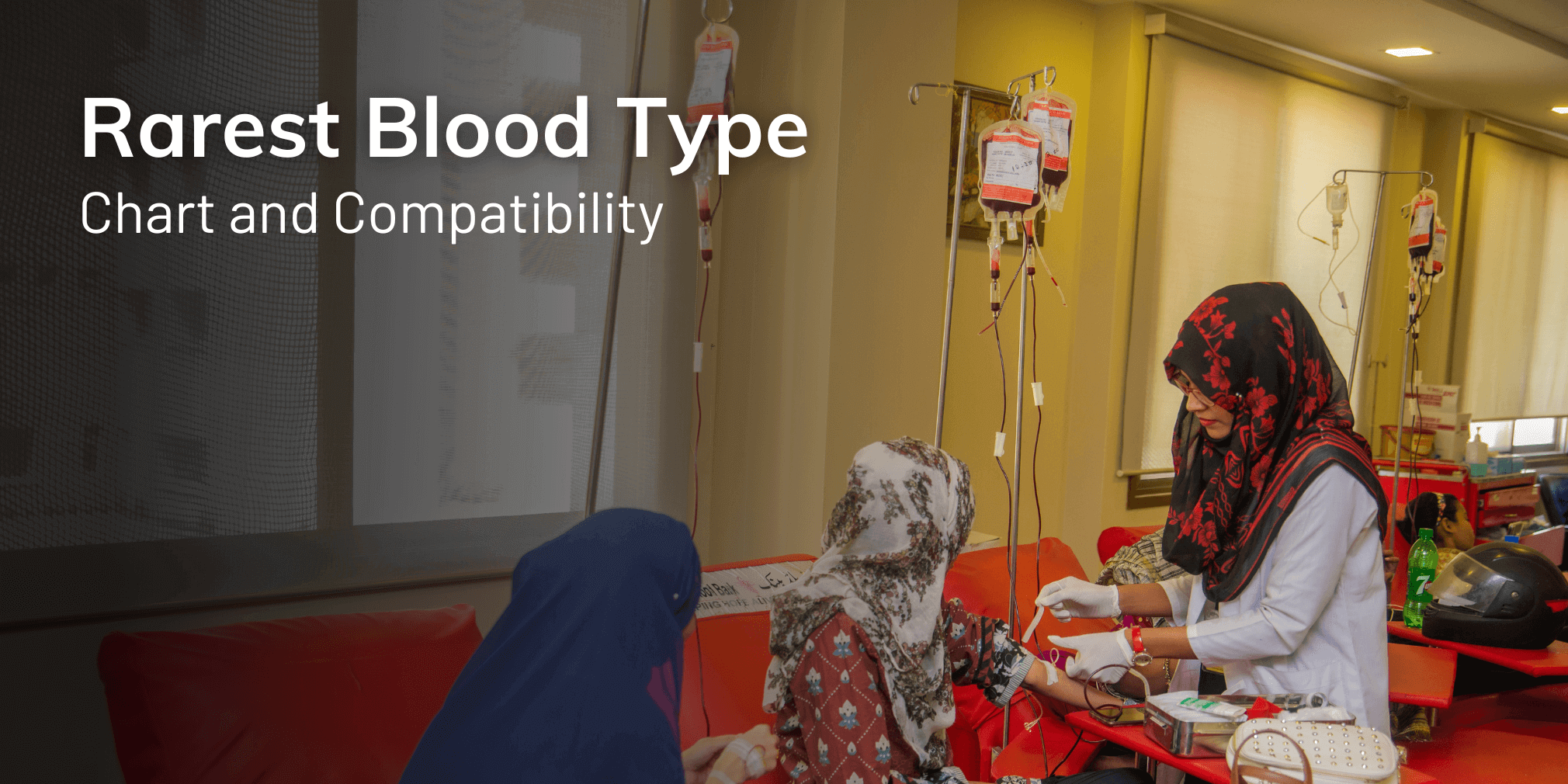
Rarest Blood Type: Chart and Compatibility
[vc_row][vc_column][vc_column_text]Human blood types vary across eight common ABO/Rh groups, but a few are exceptionally rare and clinically critical. The rarest blood type is Rh null, often called “golden blood,” followed by subtypes like Bombay (HH) and AB–. This guide explores: What makes Rh null golden and rare Other rare subgroups like Bombay blood A clear blood type compatibility chart Compatibility specifics: O blood group can receive from…, O+ can donate to… Roles of the universal donor and the recipient. [/vc_column_text][/vc_column][/vc_row][vc_row][vc_column][vc_column_text] What Is the Rarest Blood Type? Rh null (“Golden Blood”) The rarest known blood type, with fewer than 50–60 individuals worldwide. Lacks all Rh